

A Beginner’s Guide to LARP
What is LARP?
Live Action Role Play, or larp, is a form of interactive role-playing that pairs improvisation, acting and creativity. The Players (you) pretend to be Characters, like actors do on a film. These characters will make choices, take actions, create relationships, take stances, interact with the environment etc. Those actions are NOT pre-written in a script. Each Player is in charge of the Character they have and the Choices they make.
Larps may remind you of other role-playing games such as Dungeons & Dragons or World of Warcraft. However, players here join at a physical location, dress up and play their characters in real time. This sometimes includes visual elements such as appropriate clothing for the game, safe props, immersive utensils etc.
Example: If a larp would be set in a medieval fantasy world like Lord of the Rings, a wizard with a big robe, a combat safe prop staff made from foam, a fake beard and a flask with (or without) alcohol would fit right in. An astronaut with a laptop and a laser gun would not.


Of course some things need to be kept as “theatre of the mind”, which means we use imagination to pretend some things happen for the sake of the game. Example: a spell that freezes a Character in place; of course this spell is not really taking effect and the Player can physically move at any point but the Character is not moving and pretends to be frozen. This way we do not break the immersive atmosphere for other people and make the game more magical for all of us.
Larp is an excellent source of physical and mental stimuli. The imagination is constantly called upon to visualize game elements that don't really exist, such as magical spells, or to see beyond artificial props like latex masks.
At first, you might think that larp isn't all that different from cosplay or historical re-enactment. There are battles, safe weapons, costumes etc. Historical reenactment involves reproducing certain aspects of past events. Even though some larps are delving into historical accuracy, they do not try to imitate reality. They use the element of history to add something to the story. Cosplay brings a character from the world of video games, manga, comic books, films or TV series etc. to life. To achieve this, cosplayers use costumes, wigs, accessories and make-up to reproduce their chosen character as faithfully as possible. In larp there is no re-creation of a known protagonist, we create or play as characters who are unique and live in the universe of this larp. Also all the props, items, weapons etc. are thoroughly checked for safety reasons since they will be part of an interactive world usually for many hours or even days, in order to ensure the safety of all participants.

What are the types of LARP?
This is a difficult question to answer since the boundaries of larp are still being discovered. Like every artistic outlet, people are molding and changing it according to times and needs. Here is a small list with some common types of larp.
Boffer
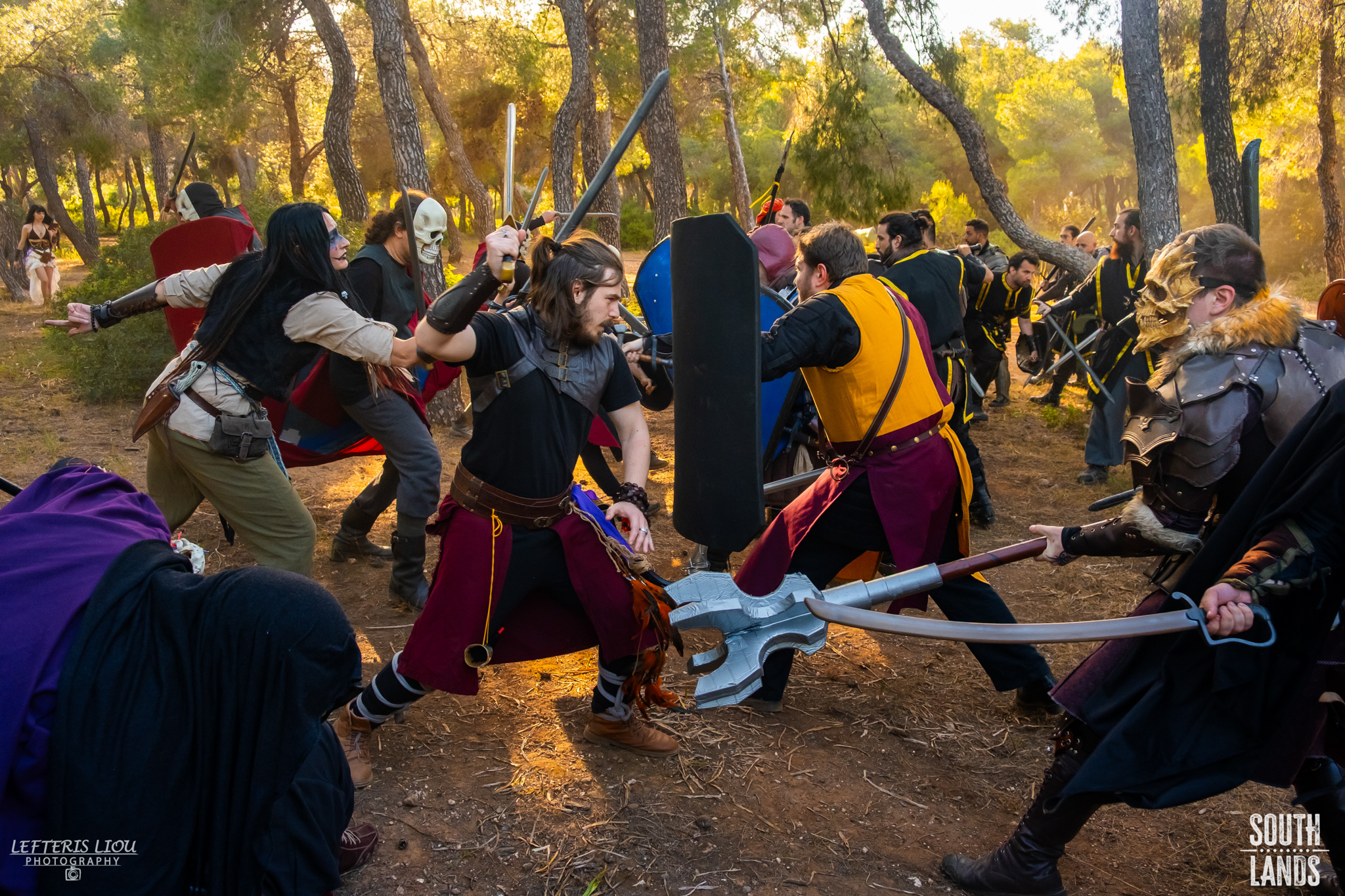
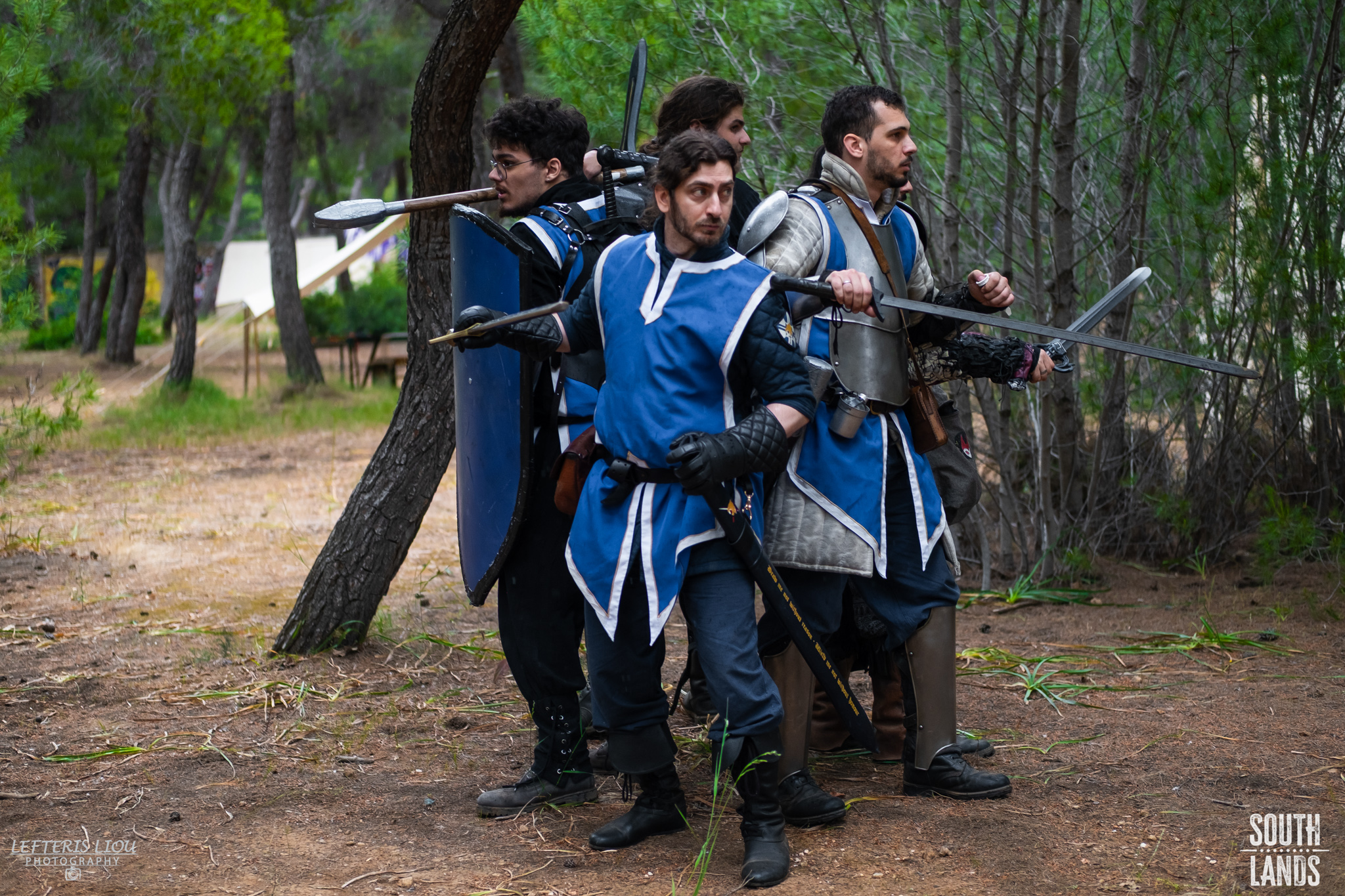
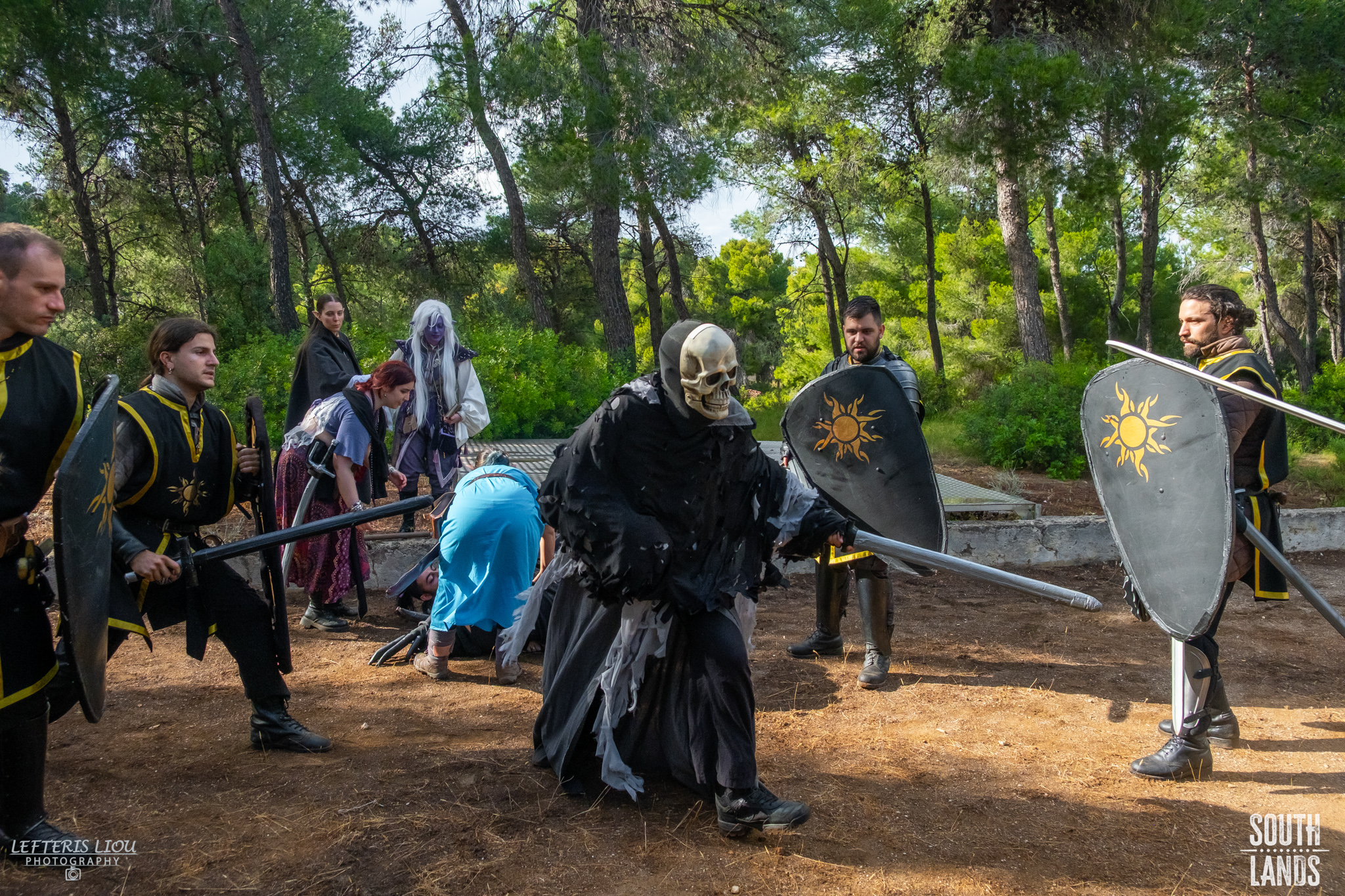
The main focus of this type of larp is to enjoy combat and battle. It utilises padded foam weapons (called boffers) for physical combat and it is commonly mixed with settings such as medieval fantasy.

Nordic
The type of larp that originated from larp cultures in nordic countries. Usually the emphasis is deep immersion, and storytelling, it is often rules-light or more free-form, and it is focusing mostly on the overall experience over the mechanics. But that definition by itself is a non-statement, and Nordic larping doesn't really define a specific experience, but mostly a general framework.
Chamber
The main emphasis in such games is character interaction and conflicting agendas. Mechanically such games are inconsistent, either simulating actions creatively or choosing to forgo mechanics all together. Usually physical contact in this type of LARPs is heavily regulated or forbidden.
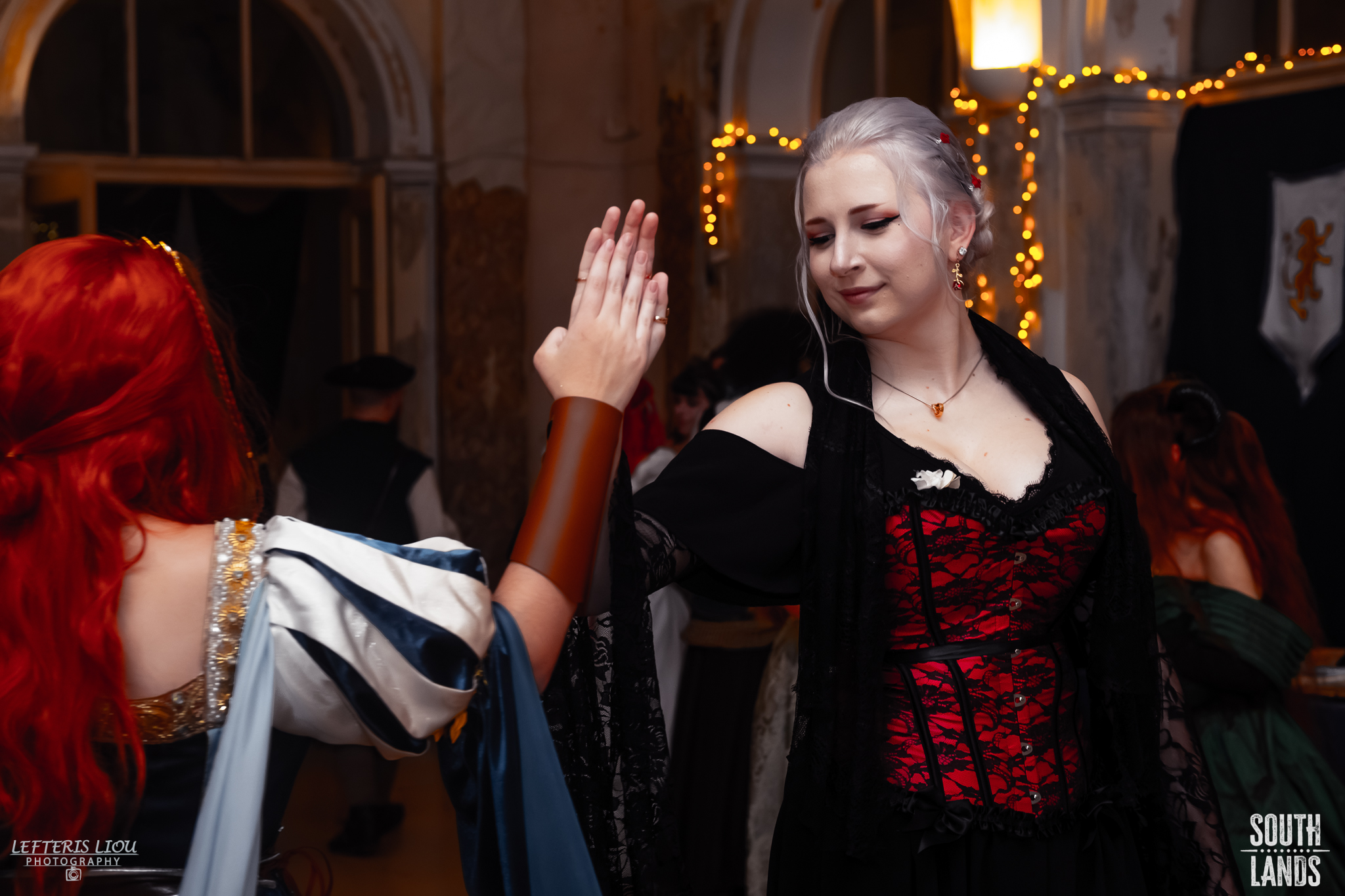
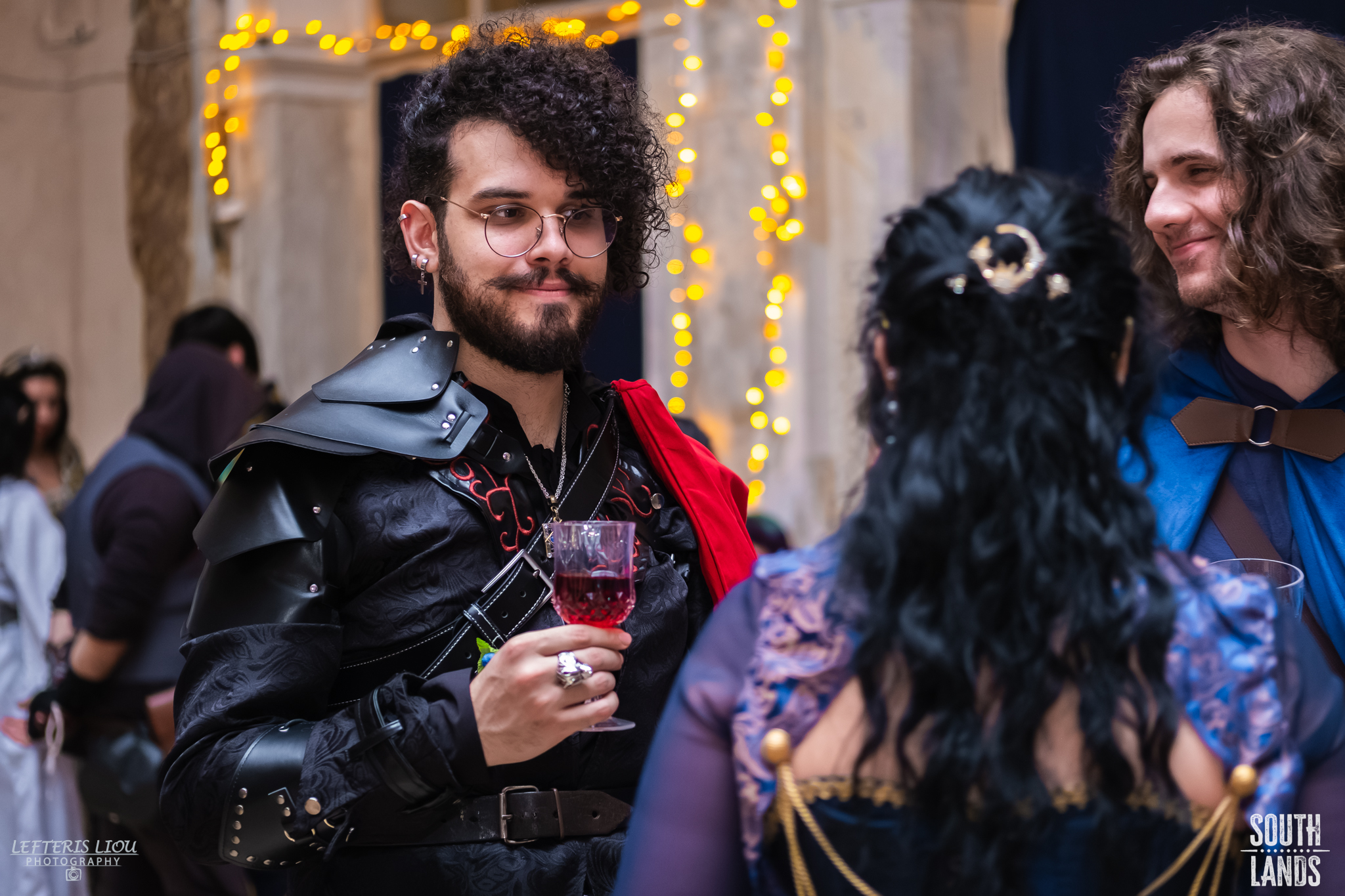
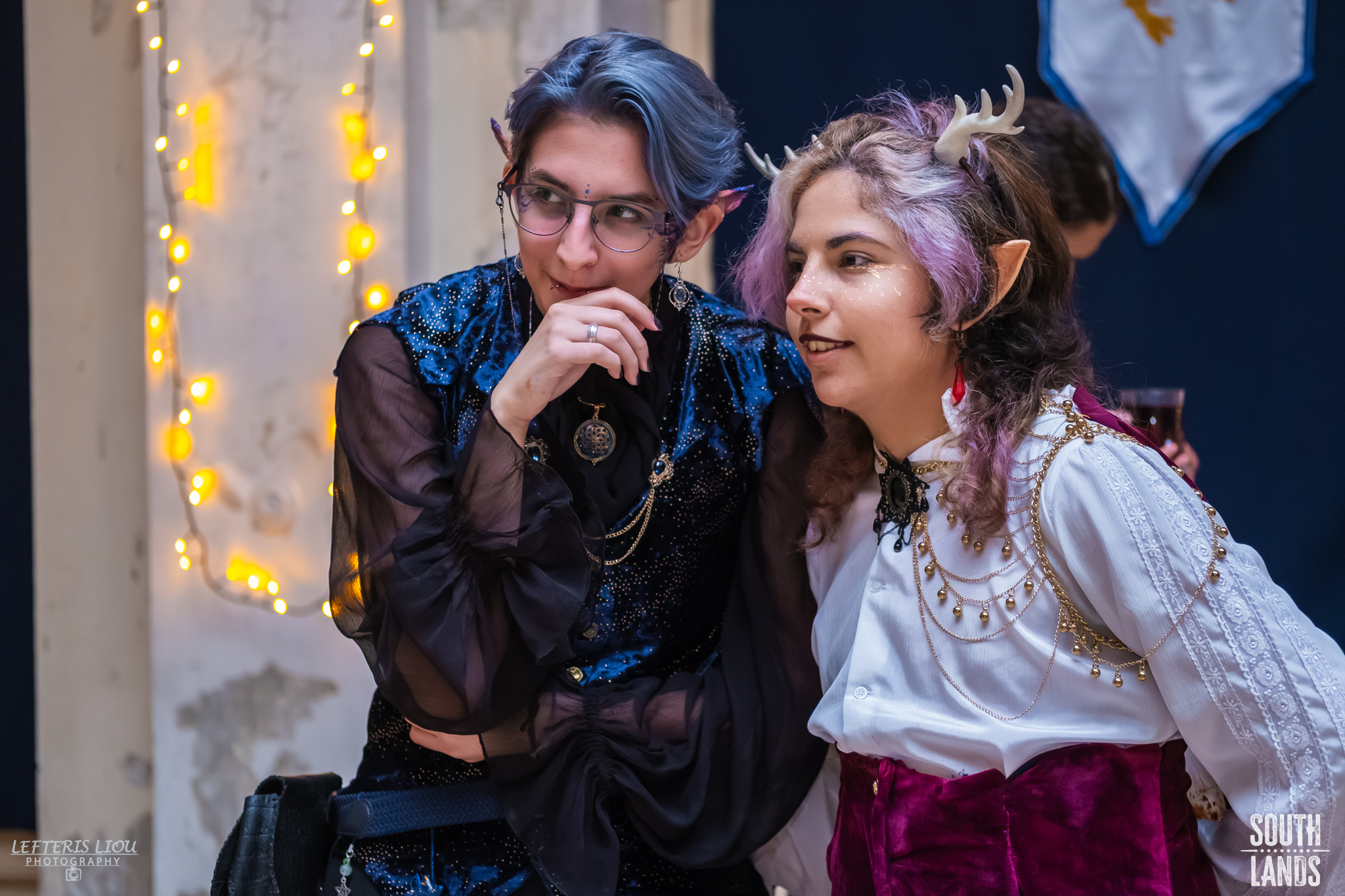
LARPs can be played in any setting that the creators desire: sci-fi, medieval, fantasy, historically accurate, vampire-goth, pirate, post-apocalyptic, horror etc. When it comes to settings, the sky is the limit.
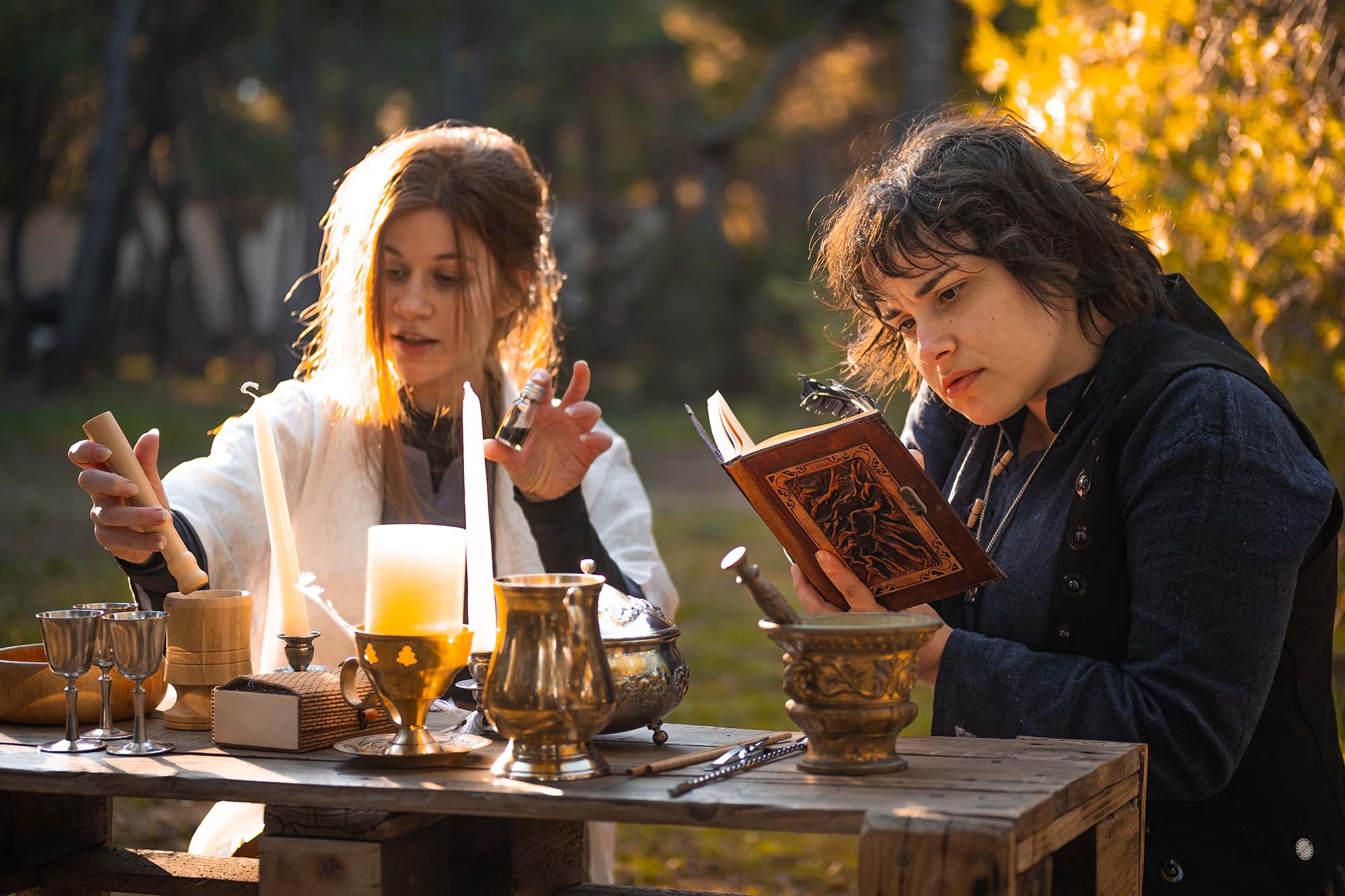
Medieval fantasy is a genre or setting where people play in a make-belief fantasy world. This means that the setting may include elements like monsters, alchemy, folklore, fairies, elves etc. A very common example of this genre for movies would be Lord of the Rings.
LARP Glossology
Some of the terms we have used so far may be confusing, so here is a list of terminology that you may encounter while larping. The list below is not in alphabetical order but we believe it will make the most sense in this order:
An NPC is a character who serves a specific agenda that helps the game, and not their own agenda as a player. They are usually created by the GMs of the game and have specific instructions. Those may vary from playing the villain of the game, a helper, a mentor etc. but their role is always part of the story.
Example: a larp about a family where the characters are the members of said family. In this case the GM must give the players background information about the characters and their personalities.

The Golden Rules of larping
Continuous Consent is a must.
Learn at least the basic rules of the game.
Use common sense and empathy when rules do not apply.
Honor personal boundaries.
Stay in character.
There are no stupid questions.
Focus on collaborative storytelling rather than winning; make it about fun and immersion.
Play to lift and challenge, not to win.

Southlands LARP
Southands larp is a transformative medieval fantasy setting with educational elements that is run in Greece. The game is heavily inspired by Greek folklore, myths, tales, monsters, gods and legends. Through this medium, the players can be introduced to a world of adventure, magic, thrills and many more. Southlands as a setting currently offers 2 different types of events: single day chamber social events and multiday immersive boffer events. What can our setting offer you? Epic moments, strong bonds, funny stories to share over a drink, good scares, interactive monsters and meaningful choices that shape the world.
Our goal is to cooperate, to build community, deeper understanding, empathy and communication while learning about our culture in a fun and unforgettable way. Welcome to the Southlands!
Bibliography
What is LARP - https://realmsofmythodea.com/en/what-is-larp/
What is LARP? - https://calimacil.com/blogs/news/what-is-larp
What is LARP - https://www.larpifiers.com/
Explore LARP worlds: From fantasy to sci-fi - https://www.battlemerchant.com/en/blog/explore-larp-worlds-from-fantasy-to-sci-fi